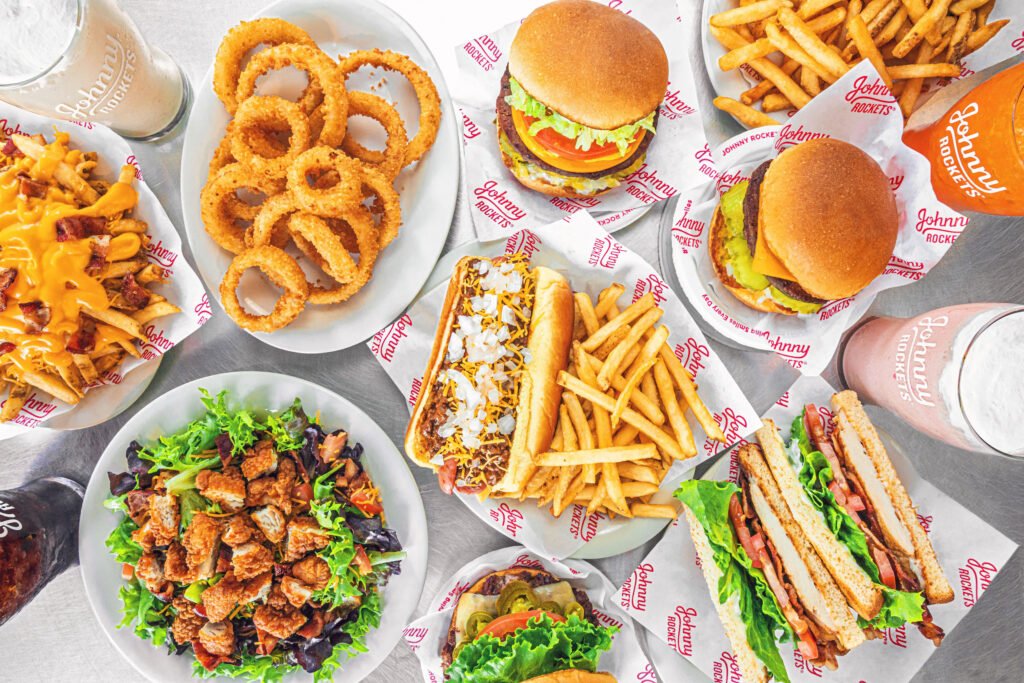

A Taste of Tinseltown: The Role of Fast Food in Hollywood Culture
Fast food has emerged as an iconic symbol within Hollywood culture, serving not only as a meal option but also as a significant element in the storytelling of films and television shows. This culinary phenomenon has become intertwined with the lifestyle of filmmakers and actors, enhancing the caricature of life in Tinseltown. The prevalence of fast food restaurants in various productions reinforces their place in modern American life, portraying a convenient solution amid the hustle and bustle of the entertainment industry.
The connection between fast food and Hollywood extends beyond mere appearances. Many celebrities and film directors have embraced specific fast food brands, often establishing partnerships that blend marketing with entertainment. These collaborations frequently result in increased visibility for both the brands and the projects associated with them. For instance, celebrity endorsements can lead to memorable commercials and promotional events that not only boost sales but solidify the brand’s status in popular culture.
Moreover, iconic Hollywood fast food joints have become cultural landmarks, attracting fans who wish to experience a slice of the lives led by their favorite stars. The depiction of these establishments in films acts as a narrative tool, illustrating character traits and enhancing storylines. Whether it is a comedic scene set in a drive-thru or a heartfelt moment shared over burgers and fries, these eateries amplify the emotional resonance of cinematic storytelling, providing a backdrop that is both familiar and comforting.
In conclusion, the role of fast food in Hollywood culture exemplifies the seamless integration of lifestyle, branding, and entertainment. As fast food continues to evolve in its delivery and offerings, its relationship with Hollywood will likely grow stronger, further embedding it in the fabric of American pop culture.
The Must-Try Fast Food Icons Found in Hollywood
Hollywood is not only known for its glamour and glitz but also for its signature fast food establishments that have become cultural landmarks. Among the most notable is In-N-Out Burger, founded in 1948. This West Coast favorite has achieved cult status, thanks in part to its simple yet highly customizable menu and high-quality ingredients. Its connection to Hollywood is reinforced by numerous celebrity sightings and mentions in films, making it a must-try for visitors and locals alike. The iconic double-double burger and animal-style fries are often considered essential experiences for anyone exploring the region.
Another famed establishment is McDonald’s, which, while a global giant, has particular ties to Hollywood’s narrative. The franchise has been featured in numerous films, and its flagship location on Sunset Boulevard is a popular stop for tourists seeking comfort food amidst their Hollywood adventures. Over the years, McDonald’s has refined its menu to cater to local tastes, often incorporating seasonal items that resonate with the Southern California lifestyle. Its Golden Arches are not just a sign of fast food but a familiar symbol rooted in American pop culture.
Then there is Pink’s Hot Dogs, a cherished institution since 1939. Located on La Brea Avenue, Pink’s has become synonymous with Hollywood’s fast food scene, famously serving up hot dogs that have made appearances in films and television. Signature items like the Hollywood Hot Dog and the Chili Cheese Dog draw in crowds from all walks of life, showcasing the enduring appeal of this tasty indulgence. Pink’s success is intertwined with its proximity to film premieres and celebrity events, solidifying its status as a standout among iconic Hollywood fast food.
Celebrity Endorsements and Their Impact on Fast Food Brands
In the landscape of American culture, particularly in Hollywood, the relationship between celebrity endorsements and fast food brands has evolved into a significant marketing strategy. Celebrities, with their extensive reach and influence, have the power to amplify brand messaging and drive consumer behavior, especially within the realm of iconic Hollywood fast food chains. The names associated with these endorsements often enhance the brand’s image, making it more appealing to various consumer demographics.
A quintessential example of this phenomenon is the collaboration between famous entertainers and established fast food brands. Notably, the partnership between rapper Travis Scott and McDonald’s is a celebrated case. Launched in 2020, the “Travis Scott Meal” not only boosted McDonald’s sales but also created buzz across social media platforms, driven largely by the star’s fanbase. This collaboration underscored how the fusion of celebrity culture and fast food can lead to a resurgence of interest in specific menu items, presenting them as culturally relevant and highly sought after.
Similarly, in a more traditional vein, the long-standing association of actors like Mary J. Blige and brands such as Burger King demonstrates how endorsements transcend mere advertising; they transform fast food into a cultural artifact. These collaborations have the potential to elevate certain dishes into iconic status within Hollywood lore, often leading consumers to associate them with the celebrity’s lifestyle, thereby increasing their desirability.
By leveraging the popularity of high-profile celebrities, fast food brands can strategically position themselves within the pop culture scene. This synergy not only enhances the brand’s visibility but also fosters a sense of connection among consumers who aspire to experience a slice of celebrity culture through their fast food choices. Thus, the impact of celebrity endorsements on iconic Hollywood fast food brands cannot be overstated, as they play a crucial role in shaping consumer perceptions and driving sales.
The Future of Fast Food in Hollywood: Trends and Innovations
The fast food industry in Hollywood is undergoing a significant transformation as new trends emerge to meet the evolving demands of consumers. One prominent shift is the rise of health-conscious menus. Many iconic Hollywood fast food chains are increasingly recognizing the importance of offering nutritious options. This shift not only caters to a growing population that prioritizes health but also aligns with the increasing public awareness surrounding diet-related issues. As a result, we see a variety of organic, vegan, and gluten-free options finding their way into the menus, making it easier for health-aware customers to indulge in their favorite fast food offerings without compromising their dietary standards.
In addition to health-oriented choices, gourmet fast food has become a noteworthy trend in Tinseltown. Some iconic fast food establishments are taking traditional offerings and elevating them to gourmet status by incorporating high-quality ingredients and innovative culinary techniques. This approach appeals to a demographic that seeks an elevated dining experience without the formality of a sit-down restaurant. As these culinary innovations continue to flourish, they encourage a rebranding of iconic Hollywood fast food, allowing classic dishes to be reimagined while still retaining their beloved essence.
Furthermore, sustainability is becoming a priority for many chains in response to growing environmental concerns. Initiatives such as reducing plastic waste, sourcing ingredients locally, and implementing eco-friendly packaging are paving the way for a more responsible fast food model. As consumers advocate for greener solutions, the fast food landscape in Hollywood will likely reflect these values, further embedding sustainability into the cultural fabric of iconic restaurants.
As we look towards the future, these trends in the fast food industry signal a promising evolution for iconic Hollywood fast food. By embracing health, gourmet flavors, and sustainability, these establishments are poised not only to enhance their offerings but also to solidify their roles in contemporary popular culture.